My RV Is 42 Feet Long. The Trees Were the Problem.
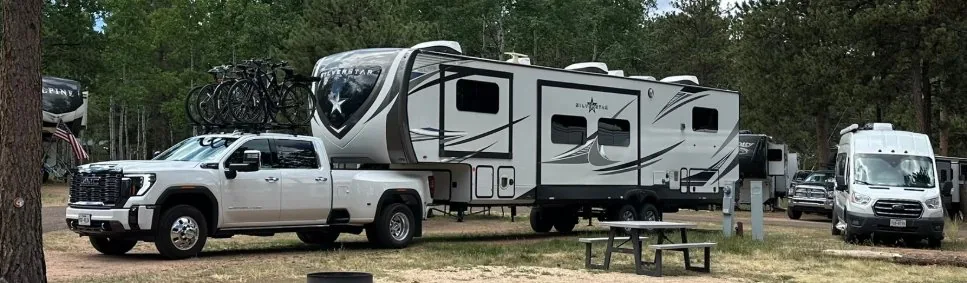
This summer I took my fifth wheel up Highway 101 — Eureka, California, then the length of the Oregon and Washington coasts. The trailer is 42 feet; with the truck, we’re about 65 feet of rig looking for a place to land every few nights.
I planned the route with Claude, and I gave it two rules that could not be bent:
Rule 1: We have to fit.
A lot of coastal parks were built for smaller rigs. Plenty of sites top out at 35 to 40 feet. We are not 40 feet.
Rule 2: Starlink has to work.
I run my business from the road, and Starlink needs a clear northern sky. The Pacific Northwest coast is a forest — tree canopy is the enemy, and shade I can’t work under is a deal-breaker.
The park that lost on both counts
South Jetty, in Florence, Oregon, is pretty and popular — and I canceled it in May, before the trip even started. Two strikes. Its sites cap at 40 feet, so we didn’t fit in the first place. And the canopy is so heavy that a reviewer had written the exact sentence that killed it:
“No Starlink due to trees.”
One sentence, in one review. That’s all it took — the park lost my nights to the Florence Elks lodge down the road: better reviews, open sky, room for the rig.
Pacific City, up the coast, got flagged for the same pair of sins: a 40-foot limit, heavy canopy, and tight interior roads where big rigs scrape. It stayed on the route only with a request for an open site — and a question mark.
The winners had the opposite facts on record. Whalers Rest in Newport took us with an open-sky site on request. Seaside worked so well it earned an extra night.
The famous stops couldn’t take us at all
The Hoh Rainforest and Kalaloch campgrounds — the postcard stops on the Olympic Peninsula — top out around 21 to 35 feet. A 42-footer doesn’t overnight there, full stop. So the most famous names on the route became van trips from a basecamp instead of stays. The AI knew that before I ever hooked up. A park brochure would not have told me as fast.
Then I made the AI audit itself
Later, I had Claude re-check every reservation against my two rules — no guessing. It caught one of its own misses: Lake Easton State Park, where the trees around the site hadn’t been flagged the first time. Small sites, tight trees, bad Starlink. Dow Creek came off the list entirely — dense forest, no clear line of sight, not a legitimate stop for a 42-footer. Everything else checked out.
That’s the honest version of planning with AI: it does the checking at a scale I never could — every park, every review, every site limit — and I still audit it, because it can miss. Same rule as everything else I buy: trust, but verify.
If you run a park — or any business
Every one of those decisions was made from facts a machine could find: published site lengths, and reviews that mention canopy and Starlink by name. The parks that state their facts plainly — big-rig sites, open sky — won real nights from a real customer. The ones that didn’t state them got filtered out by an assistant doing exactly what I asked.
Your customers are planning this way now, whether their filter is a 42-foot rig, a price, or a Sunday opening. If the facts they filter on aren’t published where AI can read them, you don’t get argued with. You get skipped.
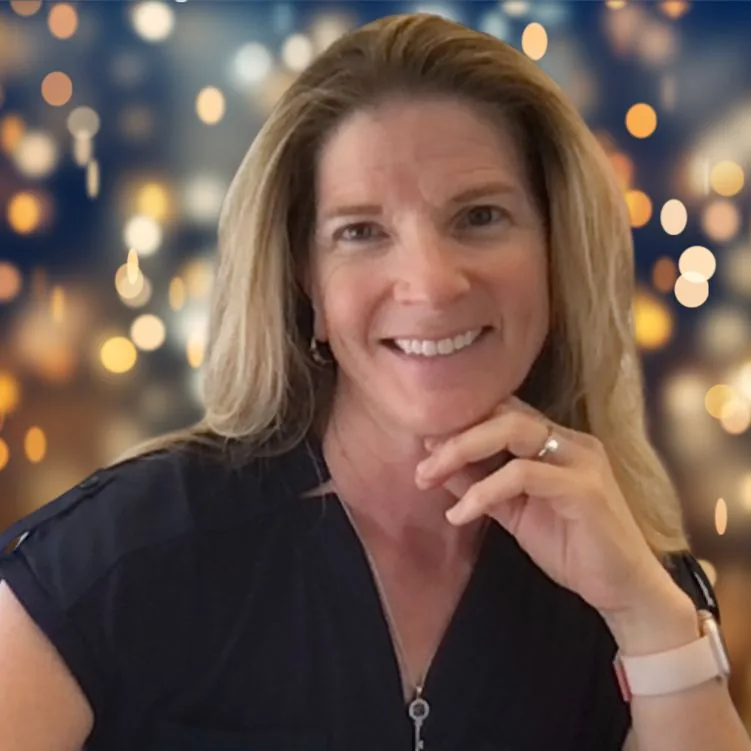
Kalyn Wright runs her businesses from the road, full-time in a 42′ fifth wheel since May 2021 — and plans her routes the same way her customers plan their purchases: with AI, then an audit.