Before Anyone Touched My Face, I Vetted Them With AI
A good deal has a way of making you skip your homework. That’s fine for a pair of shoes. It is not fine when the deal is a Dysport offer — injections, in your face, from a provider you have never met, at a place you have never visited.
That was exactly my situation in Austin. I had an offer in front of me and a list of estheticians I knew nothing about. The discount was doing what discounts do: whispering just book it. Instead, I did the thing I do before any money moves. I checked first.
The questions I gave Codex
I had Codex vet the provider before I bought anything — not the marketing, the actual decision:
- Is this esthetician worth trusting? Worth trusting with my face, specifically — that’s the real bar.
- Is the offer itself worth it? A deal is only a deal if the thing being discounted is worth having.
- Which esthetician on the list should I pick? Not “here are your options” — a pick, with the reasoning behind it.
Codex evaluated the list and the offer, affirmed that the purchase was worth making, and told me which esthetician to book. Not a shrug, not a summary of reviews I could have skimmed myself — an actual recommendation I could act on.
A discount is not due diligence.
The cheaper the offer, the more it tempts you to skip the checking. On a medical decision, that’s exactly backwards.
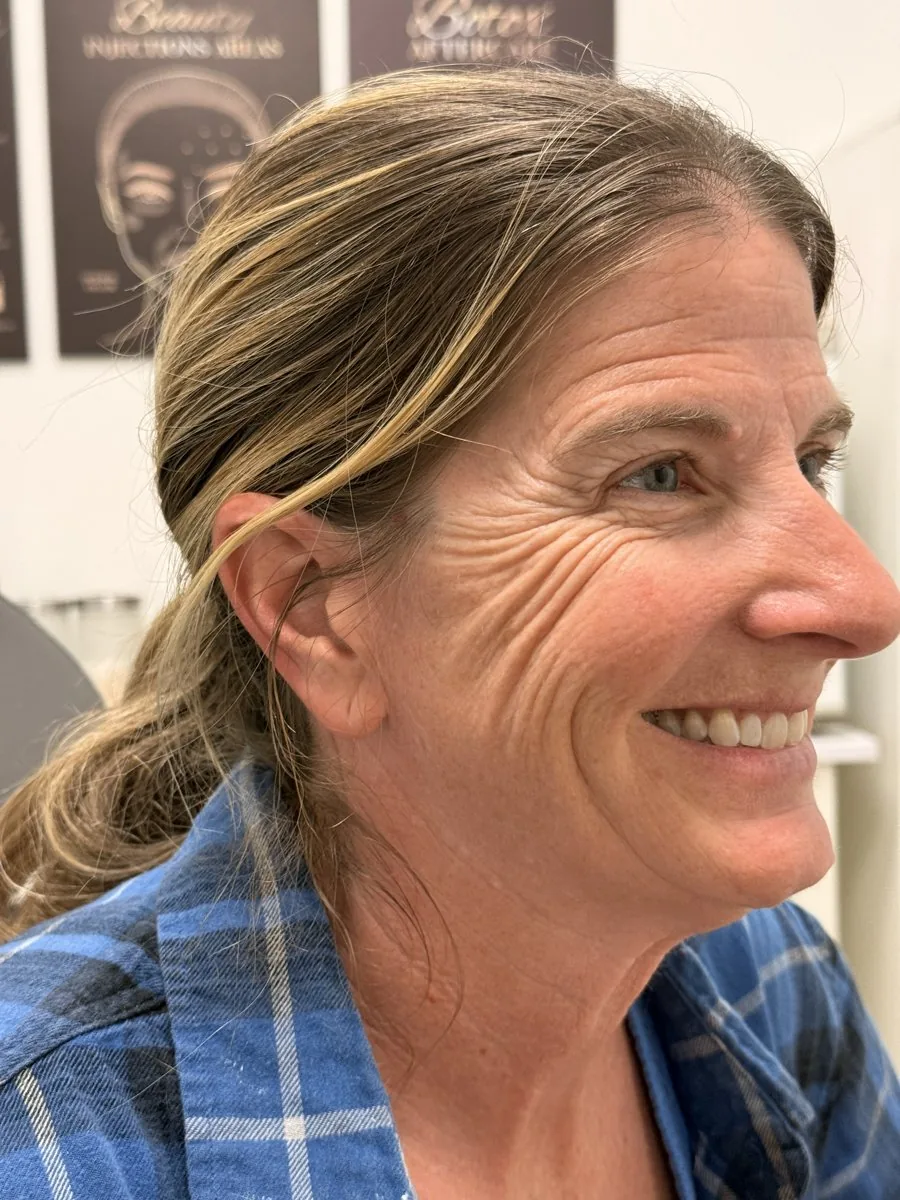
Then I booked the appointment
Because the vetting came back clean, I went ahead: the appointment followed at Alma Esthetics in Austin, with the esthetician Codex had picked from the list. The other names on that list never knew they’d been considered — or why they weren’t chosen.
Notice what didn’t happen. I didn’t book first and research later, when the money was already spent and the appointment already on the calendar. The checking happened while “no” was still free.
The point
The stakes decide how hard you check. A salon visit gets a menu check. A $1,199 desk gets a seller check. A procedure on your face gets a provider check. I’m an ordinary consumer with an AI assistant — and that is exactly how ordinary consumers are making these calls now: offer second, evidence first.

Kalyn Wright runs her businesses from the road, full-time in a 42′ fifth wheel since May 2021 — and vets people the same way she vets prices: before she commits.